
How to Choose the Right Cooking Class in Tuscany: A Comprehensive Guide

Understanding Your Culinary Interests
When it comes to choosing the right cooking class in Tuscany, the first step is to understand your culinary interests. Tuscany offers a vast array of cooking styles, from traditional Tuscan dishes to modern Italian cuisine. Consider what excites you most—are you interested in mastering the art of pasta-making, learning about regional wines, or perhaps diving into the world of truffle hunting? Identifying your interests will help narrow down the options and ensure a fulfilling experience.

Researching Cooking Schools and Instructors
Once you've pinpointed your culinary interests, the next step is to research cooking schools and instructors in Tuscany. Look for classes that align with your skill level and preferences. Some schools focus on beginner-level courses, while others cater to more advanced cooks. Additionally, check the credentials and experience of the instructors. Reading reviews and testimonials can provide valuable insights into the quality and atmosphere of the classes.
Location and Setting
Tuscany is known for its picturesque landscapes, so consider the location and setting of the cooking class. Whether you prefer a bustling urban environment or a serene countryside backdrop, there's something for everyone. Some classes are held in historic villas or rustic farmhouses, offering a truly immersive experience. The setting can greatly enhance your overall enjoyment and learning experience.

Duration and Schedule
Another important factor to consider is the duration and schedule of the cooking class. Classes can range from a single afternoon session to week-long culinary retreats. If you're on a tight schedule, a one-day class might be ideal. However, if you have more time, consider enrolling in an extended program for a deeper dive into Tuscan cuisine. Be sure to check the class schedule to ensure it fits into your travel itinerary.
Class Size and Personalization
The size of the class can significantly impact your learning experience. Smaller class sizes often allow for more personalized attention from the instructor, making it easier to ask questions and receive feedback. On the other hand, larger classes might offer more social interaction and the opportunity to meet fellow food enthusiasts. Decide what type of environment you thrive in and choose accordingly.
Additional Activities and Experiences
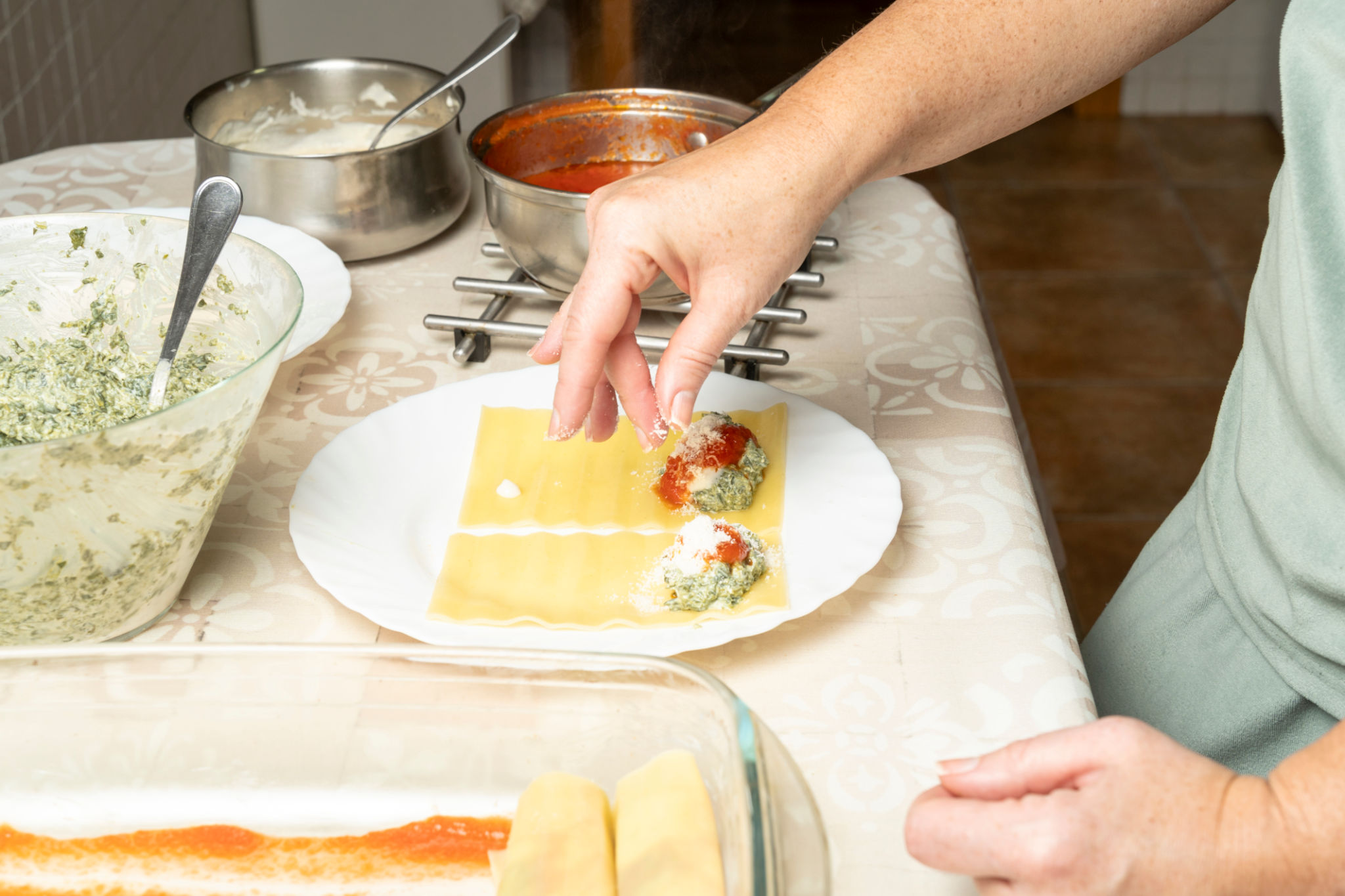
Many cooking classes in Tuscany offer additional activities that can enrich your experience. Consider classes that include market tours, wine tastings, or excursions to local farms. These activities provide a well-rounded perspective on Tuscan culture and cuisine. Engaging in these experiences can deepen your appreciation for the ingredients and techniques you'll be learning in class.
Cost and Value
Finally, consider the cost of the cooking class relative to the value it offers. Prices can vary widely depending on the class duration, location, and included activities. While it's important to stay within budget, remember that a higher price often reflects quality instruction, top-notch facilities, and unique experiences. Weigh the cost against what you'll gain from the class to make an informed decision.
By considering these factors, you'll be well on your way to choosing the perfect cooking class in Tuscany that matches your interests, schedule, and budget. Whether you're a novice cook or an aspiring chef, Tuscany offers an unforgettable culinary journey waiting to be explored.